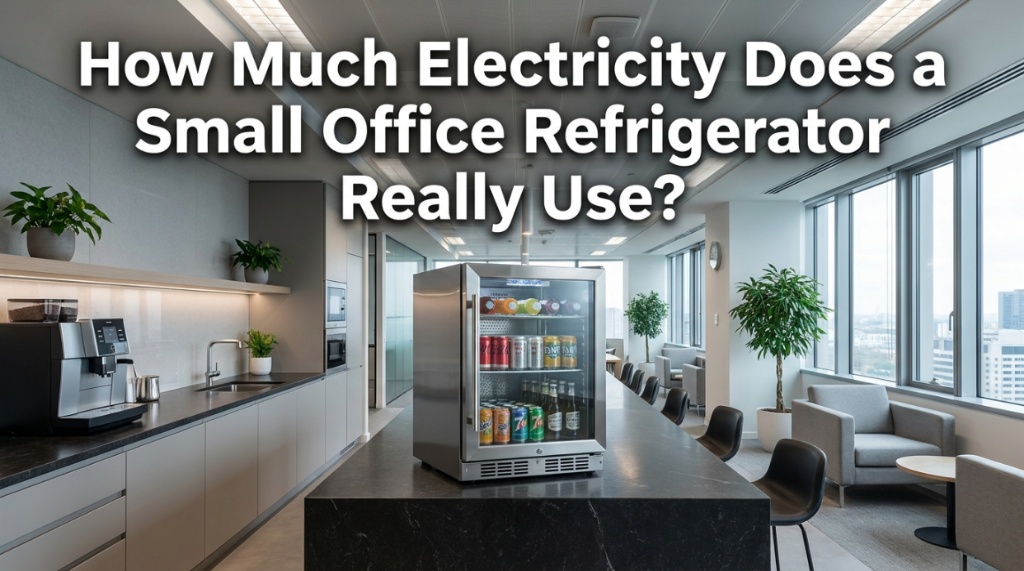
In many offices, the refrigerator quietly works longer hours than any employee. While computers shut down, lights switch off, and meeting rooms sit empty overnight, a small office refrigerator continues running 24/7. The most important answer is this: a typical small office refrigerator uses between 100 and 400 kilowatt-hours (kWh) of electricity per year, translating to roughly $15–$80 annually in operating cost depending on size, efficiency, local electricity rates, and usage habits. Understanding small office refrigerator energy use helps businesses reduce utility expenses without sacrificing convenience.
What Is the Typical Electricity Consumption of a Small Office Refrigerator?
A small office refrigerator typically consumes between 100 and 400 kWh of electricity annually, with most modern Energy Star models falling near the lower end of that range.
Electricity usage depends on several factors, including refrigerator size, compressor efficiency, insulation quality, room temperature, and door-opening frequency. Compact office refrigerators commonly range from 1.7 to 4.5 cubic feet and generally use less electricity than full-size kitchen refrigerators.
Businesses looking for energy-efficient breakroom equipment should compare specifications alongside practical workspace requirements. Choosing the right compact office refrigerator for workplace use can help balance storage needs and long-term operating expenses.
For perspective:
| Refrigerator Size | Average Annual Usage | Estimated Monthly Usage |
|---|---|---|
| 1.7–2.5 cu. ft. | 100–220 kWh | 8–18 kWh |
| 3.0–4.5 cu. ft. | 180–350 kWh | 15–29 kWh |
| Energy Star Compact Models | 150–250 kWh | 12–21 kWh |
Because refrigerators cycle on and off throughout the day, they rarely draw their maximum wattage continuously.
How Much Does It Cost to Run a Small Office Refrigerator?
The average operating cost of a small office refrigerator ranges from approximately $15 to $80 per year depending on electricity rates and appliance efficiency.
To estimate operating cost, multiply annual kWh consumption by your local electricity rate. For example, a refrigerator using 250 kWh annually at $0.16 per kWh would cost:
250 × $0.16 = $40 per year
Although the expense seems minor, multiple appliances across an office can significantly increase utility bills. Printers, computers, coffee machines, and refrigerators collectively contribute to workplace energy consumption. Businesses evaluating overall office efficiency often review equipment choices alongside resources such as paper and printer optimization strategies for smoother office operations.
Typical operating costs based on electricity rates:
| Annual Consumption | $0.12/kWh | $0.16/kWh | $0.20/kWh |
|---|---|---|---|
| 150 kWh | $18 | $24 | $30 |
| 250 kWh | $30 | $40 | $50 |
| 400 kWh | $48 | $64 | $80 |
Businesses in regions with higher electricity rates often benefit more from investing in energy-efficient appliances.
Why Do Some Small Office Refrigerators Use More Electricity Than Others?
Energy consumption varies because refrigerator performance depends on design, usage habits, environmental conditions, and maintenance.
Two refrigerators of similar size can have dramatically different electricity requirements. A newer Energy Star-certified model may use substantially less power than an older unit manufactured a decade ago.
Does Refrigerator Age Affect Energy Use?
Yes. Older refrigerators often consume significantly more electricity because of less efficient compressors and insulation materials.
Many units manufactured before modern efficiency standards can use double the electricity of comparable contemporary models.
Does Office Temperature Matter?
Absolutely. Refrigerators located in warm environments must work harder to maintain internal temperatures.
Common heat sources include:
- Direct sunlight
- Coffee stations
- Microwaves
- Printers and copiers
- Server equipment
- Poorly ventilated corners
Keeping the refrigerator away from heat-producing equipment can reduce compressor workload.
How Often Does Opening the Door Increase Consumption?
Frequent door openings increase energy use because warm air enters and must be cooled repeatedly.
Busy workplaces with dozens of employees accessing beverages and lunches throughout the day often experience higher fridge energy consumption than expected.
How Can You Calculate Refrigerator Energy Consumption Accurately?
You can calculate refrigerator energy consumption using wattage, operating hours, and a simple electricity formula.
Many appliance labels list wattage ratings. However, refrigerators cycle on and off rather than operating continuously.
The calculation formula is:
Energy Consumption (kWh) = Watts × Hours ÷ 1000
Example:
- Average running power: 80 watts
- Operating equivalent: 10 hours per day
- Daily consumption: 0.8 kWh
- Annual consumption: 292 kWh
For maximum accuracy, use a plug-in energy monitor. These devices measure actual electricity usage over days or weeks and provide real-world data rather than estimates.
Organizations interested in improving workplace efficiency often evaluate multiple office resources simultaneously, including appliance energy use and supplies procurement. Comparing high-quality office paper options and workplace consumables can complement broader cost-control initiatives.
Are Energy Star Refrigerators Worth It for Small Offices?
Yes. Energy Star-certified refrigerators generally reduce electricity consumption and lower operating costs over the appliance’s lifespan.
Energy Star standards require products to meet strict efficiency benchmarks established through rigorous testing.
Benefits include:
- Lower annual electricity bills
- Reduced environmental impact
- Improved compressor efficiency
- Better temperature management
- Long-term cost savings
While efficient models may cost more initially, lower energy consumption often offsets the price difference over several years.
How Much Energy Can Energy Star Models Save?
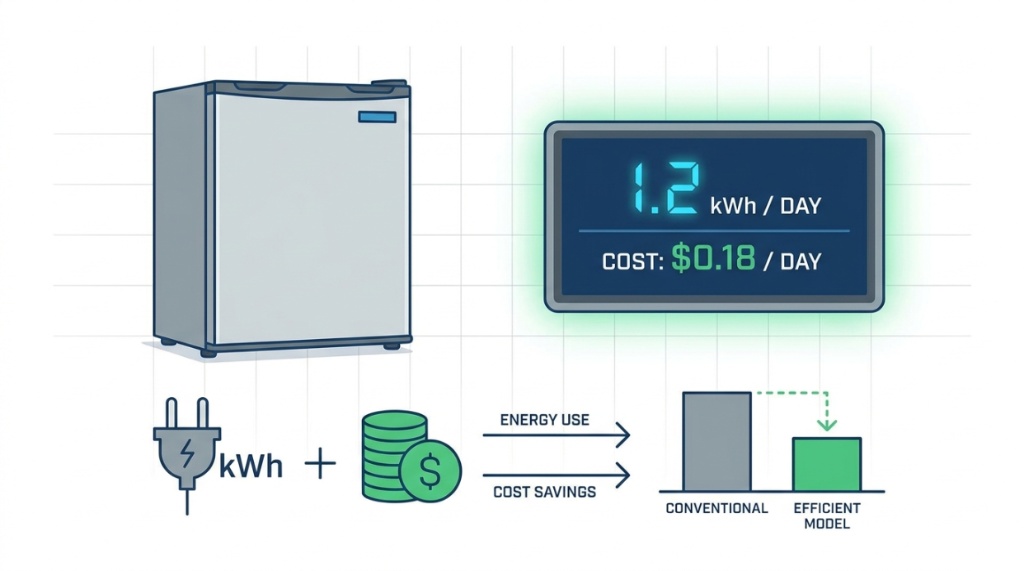
Many Energy Star compact refrigerators use 10–25% less electricity than comparable non-certified units.
In offices operating appliances continuously year-round, even modest efficiency gains accumulate over time.
What Factors Increase Fridge Energy Consumption in Office Environments?
Several workplace habits unintentionally increase electricity usage and operating costs.
Common causes include:
- Leaving doors open too long
- Overloading storage space
- Blocking ventilation grills
- Placing hot food directly inside
- Ignoring dirty condenser coils
- Incorrect temperature settings
- Poor gasket seals
Does Overfilling a Refrigerator Waste Energy?
Excessive overcrowding can restrict airflow, forcing the cooling system to work harder and longer.
Moderate storage levels help maintain consistent temperatures and efficient operation.
Can Dirty Condenser Coils Raise Electricity Bills?
Yes. Dust accumulation reduces heat transfer efficiency, increasing compressor runtime.
Routine cleaning can improve performance and reduce energy consumption.

What Is the Best Temperature Setting for Energy Efficiency?
The recommended refrigerator temperature is approximately 37°F (3°C), which balances food safety and energy efficiency.
Lower temperatures consume more electricity without providing meaningful food preservation benefits for most office environments.
Recommended settings:
- Refrigerator compartment: 37°F (3°C)
- Freezer compartment: 0°F (-18°C)
Using an appliance thermometer provides more reliable results than relying solely on dial settings.
Does Turning the Temperature Colder Improve Food Storage?
Not necessarily. Extremely cold settings mainly increase energy use while offering minimal practical advantages for beverages, lunches, and snacks.
How Does a Small Office Refrigerator Compare to Other Office Appliances?
A refrigerator operates continuously, but many office devices consume more electricity during active use.
| Office Appliance | Typical Annual Energy Use |
|---|---|
| Small Refrigerator | 100–400 kWh |
| Desktop Computer | 200–600 kWh |
| Laser Printer | 100–500 kWh |
| Coffee Machine | 150–1000 kWh |
| Water Cooler | 250–700 kWh |
While refrigerators draw power around the clock, they are often not the largest contributors to office energy bills.
Comprehensive energy management typically examines all equipment rather than focusing on a single appliance.
How Can Businesses Reduce Small Office Refrigerator Operating Costs?
Simple maintenance and smart usage habits can significantly lower refrigerator energy expenses.
Practical strategies include:
- Choose Energy Star-certified models
- Keep coils clean
- Replace worn door seals
- Avoid placing refrigerators near heat sources
- Maintain proper airflow around the appliance
- Use recommended temperature settings
- Monitor electricity usage periodically
- Remove unnecessary ice buildup
Even small improvements can reduce annual electricity consumption while extending appliance lifespan.
Should Businesses Replace Older Refrigerators?
If a refrigerator is more than 10–15 years old and operating inefficiently, replacement often provides meaningful long-term savings.
Modern compressors, insulation systems, and temperature controls typically outperform older technologies.
Conclusion: How Much Electricity Does a Small Office Refrigerator Really Use?
A small office refrigerator typically consumes between 100 and 400 kWh per year, resulting in an annual operating cost of roughly $15–$80 depending on local electricity rates and appliance efficiency. While the cost of running a compact refrigerator is generally modest, factors such as age, placement, maintenance, temperature settings, and usage habits can significantly affect overall fridge energy consumption.
The most effective ways to reduce operating cost include selecting an Energy Star-certified model, maintaining clean condenser coils, ensuring proper airflow, and avoiding excessive door openings. Businesses seeking practical workplace upgrades often evaluate equipment performance alongside broader office planning considerations, including furniture and appliance selection through resources such as small office refrigerator buying recommendations.
By understanding actual electricity consumption and applying a few energy-saving practices, businesses can improve efficiency, lower utility expenses, and create a more cost-effective workplace environment.
Frequently Asked Questions About Small Office Refrigerator Electricity Usage
How many watts does a small office refrigerator use?
A small office refrigerator typically uses between 50 and 100 watts while actively running. Because the compressor cycles on and off, actual average power consumption is usually lower over a 24-hour period.
Does unplugging an office refrigerator at night save money?
Generally, no. Frequently unplugging and restarting a refrigerator can affect temperature stability and food safety. Modern refrigerators are designed for continuous operation.
How much electricity does a mini fridge use per month?
Most mini fridges consume between 8 and 30 kWh monthly, depending on size, efficiency, ambient temperature, and usage patterns.
What refrigerator size is best for a small office?
A refrigerator between 3 and 4.5 cubic feet is sufficient for many small teams. Larger offices may require greater storage capacity depending on employee count and usage habits.
Can a refrigerator increase office utility bills significantly?
By itself, usually not. However, older inefficient models combined with other office equipment can contribute noticeably to total energy expenses.
Is an Energy Star refrigerator worth the higher purchase price?
Yes. Energy Star-certified refrigerators often consume less electricity, resulting in lower operating costs and long-term savings that can offset the initial investment.
How often should refrigerator coils be cleaned?
Most manufacturers recommend cleaning condenser coils every six to twelve months. Dust removal helps maintain efficiency and supports lower electricity consumption.