Biodiversity, often described as the variety of life on Earth, is an intricate web of interconnected species and ecosystems. It encompasses the vast array of plants, animals, fungi, and microorganisms, as well as the diverse habitats they occupy. While often taken for granted, biodiversity plays a crucial role in maintaining the health and resilience of our planet, providing us with essential services and resources.
The Importance of Biodiversity
Biodiversity is not merely a collection of different species; it is the foundation of a healthy ecosystem. A diverse ecosystem is more stable and resilient, better able to withstand environmental stressors such as climate change, disease outbreaks, and natural disasters. Each species within an ecosystem plays a specific role, contributing to the overall functioning and balance of the system.
One of the most critical services provided by biodiversity is the regulation of ecosystem processes. For example, forests play a vital role in regulating the water cycle, preventing soil erosion, and absorbing carbon dioxide from the atmosphere. Wetlands act as natural filters, purifying water and mitigating floods. Pollinators, such as bees and butterflies, are essential for the reproduction of many plant species, including those we rely on for food.
Biodiversity also provides us with a wide range of goods and services, including food, medicine, clean air and water, and recreational opportunities. Many of the medicines we use today are derived from plants and other organisms found in diverse ecosystems. For example, the cancer drug Taxol is derived from the bark of the Pacific yew tree.
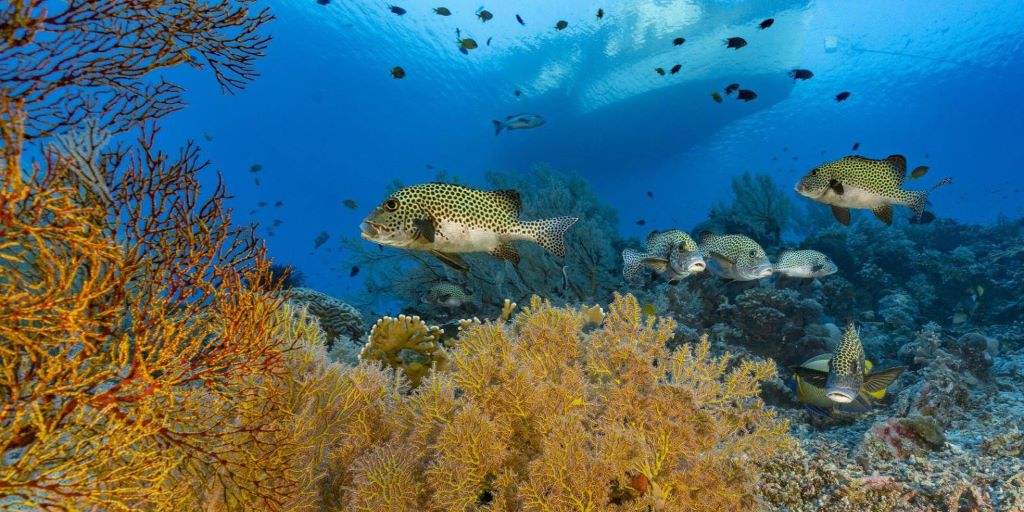
Related: Unlock the Benefits of Green Business Solutions
Threats to Biodiversity
Despite its importance, biodiversity is under threat from a variety of human activities. Habitat loss and fragmentation, pollution, overexploitation of resources, invasive species, and climate change are all contributing to the decline of biodiversity worldwide. The loss of biodiversity has far-reaching consequences, not only for the environment but also for human well-being.
The loss of forests, for example, can lead to soil erosion, water pollution, and climate change. The decline of pollinators can disrupt food production, leading to food shortages and economic losses. The loss of biodiversity can also increase the risk of disease outbreaks, as diverse ecosystems are better able to resist the spread of pathogens.
The Pillars of Progress: 5 Principles of Sustainable Business
Conserving Biodiversity
The conservation of biodiversity is essential for the health of our planet and the well-being of future generations. There are many things we can do to protect biodiversity, both at the individual and societal levels.
At the individual level, we can make choices that reduce our impact on the environment. This includes reducing our consumption of resources, choosing sustainable products, and supporting organizations that are working to protect biodiversity. We can also get involved in local conservation efforts, such as volunteering for habitat restoration projects or participating in citizen science initiatives.
At the societal level, we need to adopt policies that promote sustainable development and protect biodiversity. This includes investing in renewable energy, promoting sustainable agriculture, and reducing pollution. We also need to establish protected areas and create corridors that allow species to move between fragmented habitats.
The Future of Biodiversity
The future of biodiversity depends on our actions. If we continue on our current path, we risk losing many of the species and ecosystems that make our planet so unique and vibrant. However, if we take action to protect biodiversity, we can ensure a healthy and sustainable future for all.
Biodiversity is not just a scientific concept; it is a matter of survival. The health of our planet and the well-being of future generations depend on our ability to protect and conserve the diversity of life on Earth.
Sources