Key Takeaways
- Understand the importance and impact of professional metalworking in enhancing material strength and durability.
- Learn how metalworking services contribute to various industries, from construction to automotive.
- Discover common methods used in metal fabrication for improved resilience in products.
- Explore resources and recommendations for selecting quality metalworking partners.
The Role of Metalworking in Modern Industries
Metalworking is undeniably a vital process at the heart of numerous industries, influencing the quality and durability of the products and structures we rely on daily. This craft transforms raw materials into functional components that embody strength and resilience, serving as a backbone for sectors crucial to modern life. Whether it’s enabling the buildings that make up our city skylines to stand tall or ensuring the automotive parts we depend on perform safely and efficiently, metalworking is an unsung hero across industries. Specifically, metalworking projects Los Banos, CA demonstrate how local expertise can set standards for quality and innovation, influencing how these projects are approached globally.
Industries such as construction, manufacturing, and electronics continuously evolve, each propelled forward by technological advancements in metalworking. The ability to consistently produce high-quality, durable metal components has significantly grown these sectors. As consumer expectations rise and technology advances, the demand for professional metalworking services that enhance product durability and performance is more vital than ever. This demand underscores the essential role that expert metalworkers play in the modern industrial landscape.
Popular Metalworking Techniques
Metalworkers employ a broad range of sophisticated techniques to achieve the necessary enhancements in material properties. Each method is specifically designed to improve both the durability and versatility of metal products, addressing the diverse needs of various industries. Among the most common techniques are welding, casting, and forging—each foundational to the metalworking process and essential in producing components that meet specific industrial standards. Moreover, advancements in metal fabrication have integrated cutting-edge technology into these traditional methods, allowing for greater precision and efficiency than ever before.
Welding
Welding is a fundamental process in metalworking, integral to creating strong, durable joints between metal parts. Its widespread use in large-scale structures like bridges and buildings signifies its importance in ensuring structural integrity. The welding process has seen considerable advancements, making it possible to achieve cleaner, more resilient welds that can withstand the demands of modern engineering.
Casting and Forging
Casting and forging are equally important in the arsenal of metalworking techniques. Casting, which involves pouring molten metal into predefined molds, is vital for manufacturing complex components required in various machinery and devices. On the other hand, forging uses compressive forces to shape metals, making it ideal for applications where high strength is imperative. These processes are continuously refined to reduce waste and improve the accuracy and quality of the finished products.
Applications Across Key Sectors
The reach of professional metalworking services extends into multiple industries, each benefiting uniquely from the enhanced durability and precision these services provide. In construction, metalworking is omnipresent, visible in the robust steel frameworks and reinforcements that uphold modern infrastructures. This is echoed in the automotive industry, where the precision of metal parts ensures vehicle safety and efficiency and pushes the envelope on performance and innovation. Electronics manufacturers, too, rely on expertly crafted metal components, which are essential for effective thermal management and the overall reliability of electronic devices. Every sector that leverages metalworking does so to enhance its products’ integrity, illustrating the craft’s universal importance.
Choosing the Right Metalworking Service
Choosing an appropriate metalworking service can significantly affect the quality and success of a project. Key factors to consider include experience, the range of specialties offered, and the technology used by the service provider. A reputable provider with a proven track record can ensure product performance that meets or exceeds industry standards, fostering trust and a competitive edge for the client company. Partnering with such experts not only ensures superior product quality but also contributes to a firm’s reputation for excellence in its industry.
Advancements in Metalworking Technology
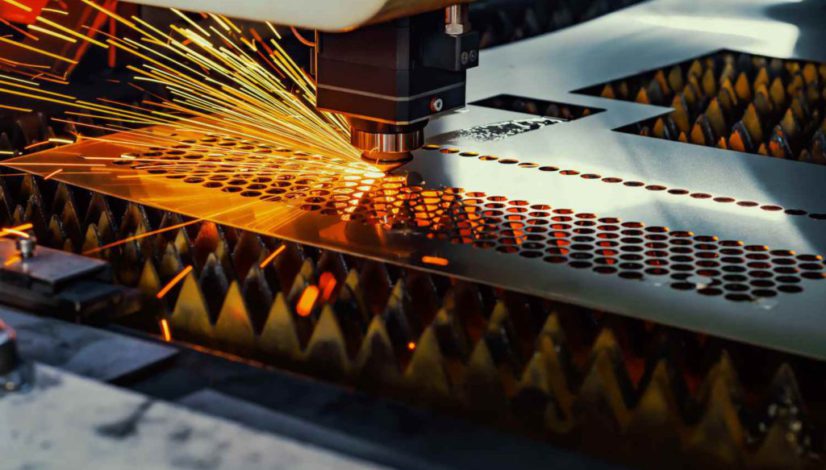
The metalworking industry is experiencing rapid technological transformation, with innovations such as laser cutting, CNC machining, and 3D printing fundamentally reshaping traditional processes. These advancements are redefining the boundaries of what is possible in metal design and fabrication, allowing for greater precision, speed, and efficiency. High-tech methods have opened up a world of possibilities, enabling the production of intricate designs that would have been impossible with conventional techniques. This level of precision and efficiency is crucial for meeting modern demands for elaborate and complex designs across various industries.
Environmental Considerations
In today’s world, environmental sustainability is becoming as much of a priority as economic gains in the metalworking industry. Adopting eco-friendly practices, such as recycling materials and opting for sustainable raw materials, is essential for reducing the sector’s overall carbon footprint. These practices reduce waste and energy consumption and ensure the industry’s long-term viability by aligning with the global shift towards environmentally responsible and sustainable production. By focusing on sustainable processes, metalworking helps maintain a balance with nature while meeting industrial needs.
Future Trends in Metalworking
The future of metalworking is shaped by emerging trends integrating artificial intelligence with traditional techniques. Incorporating AI and automation aims to refine production processes, enhance precision, and reduce material waste. These technological advancements are critical for driving efficiency and sustainability, ensuring that the metalworking industry remains adaptable to change and competitive in the global marketplace. Keeping pace with these trends is essential for businesses, as those who adapt early will likely enjoy the most significant benefits, maintaining a competitive edge in an ever-evolving industry landscape.