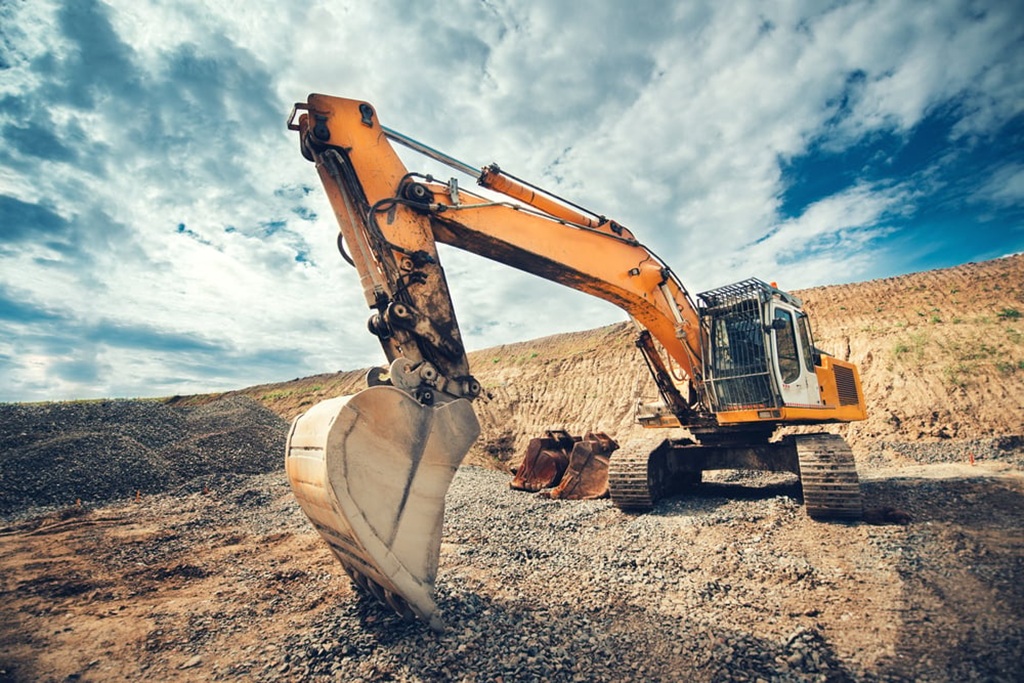
The construction and landscaping industries often experience cyclical patterns influenced by the changing seasons. Spring and summer typically bring a surge in projects, while autumn and winter might see a slowdown in some regions. Savvy contractors and homeowners looking to undertake excavation work can leverage seasonal sales to acquire the necessary equipment at potentially reduced costs. However, navigating the world of mini excavators and compact equipment for confined areas requires careful consideration beyond just the price tag. This comprehensive guide will delve into the crucial factors to consider when selecting the right excavation equipment for tight spaces, especially when taking advantage of seasonal sales.
Understanding the Challenges of Excavation in Tight Spaces
Working in confined areas presents a unique set of challenges that directly impact the choice of excavation equipment. Unlike large, open construction sites, tight spaces demand machinery that is not only powerful enough to perform the required tasks but also agile and compact enough to maneuver effectively without causing damage to surrounding structures or landscaping.
Accessibility:
One of the primary hurdles is simply getting the equipment to the work area. Narrow pathways, gates, fences, and existing buildings can restrict the size and type of machinery that can be brought in. Measuring the access points and the workspace dimensions is the first critical step.
Maneuverability:
Once the equipment is on-site, the ability to move and operate within the limited space is paramount. A machine with a tight turning radius and minimal tail swing is essential to avoid collisions and ensure efficient operation. Consider the swing radius of the excavator’s upper structure and how it will impact movement in the confined area.
Power and Performance:
Despite their smaller size, the chosen equipment must still possess sufficient power to handle the intended tasks, whether it’s digging trenches, leveling ground, or removing debris. Evaluating the digging depth, reach, lifting capacity, and breakout force is crucial to ensure the machine can perform effectively.
Versatility:
In many tight-space projects, the equipment might need to perform a variety of tasks. Opting for a machine that can accommodate different attachments, such as buckets of varying sizes, breakers, augers, or grapples, can significantly enhance its utility and cost-effectiveness.
Ground Conditions:
The type of soil and terrain in the tight space will also influence the choice of equipment. Soft, uneven ground might require tracked machines for better stability and traction, while hard, compacted soil will necessitate sufficient digging power.
Environmental Considerations:
Depending on the location, noise restrictions or concerns about emissions might play a role in the selection process. Electric or hybrid mini excavators are becoming increasingly popular for indoor or environmentally sensitive areas.
Key Factors to Consider When Choosing Equipment
When evaluating different excavation equipment for tight spaces, several key factors should be carefully considered to ensure you select the most suitable machine for your needs and maximize the benefits of any seasonal sales.
Size and Weight:
This is perhaps the most obvious factor. Measure all access points, including gates, doorways, and pathways, to determine the maximum width and height the equipment can pass through. Also, consider the weight of the machine and whether the ground surface can support it without causing damage. Mini excavators, with their compact dimensions and lighter weight, are often the ideal choice for tight spaces. Their overall width typically ranges from 2.5 to 6 feet, and their operating weight can vary from under 2,000 pounds to over 20,000 pounds.
Tail Swing:
The tail swing refers to the radius of the rear of the excavator’s upper structure as it rotates. A conventional tail swing excavator has a counterweight that extends beyond the width of its tracks, which can be problematic in confined areas. Zero tail swing (ZTS) or reduced tail swing (RTS) models are specifically designed for tight spaces, as their upper structure rotates within the width of the tracks or with minimal overhang. This feature significantly reduces the risk of hitting obstacles and allows for safer and more efficient operation in close quarters.
Digging Depth and Reach:
Assess the maximum digging depth and reach required for your projects. Mini excavators offer a range of capabilities, with digging depths typically ranging from 6 to 15 feet and reach extending from 9 to 20 feet. Consider the deepest trenches you’ll need to dig or the furthest you need to reach for material removal.
Lifting Capacity:
If your projects involve lifting and moving heavy objects, such as pipes, stones, or landscaping materials, the lifting capacity of the excavator is a critical factor. Check the manufacturer’s specifications for the lifting capacity at various reaches and heights to ensure the machine can handle the loads you’ll be working with safely and efficiently.
Engine Power and Hydraulics:
The engine power and hydraulic system determine the machine’s digging force, breakout force, and overall performance. Ensure the excavator has sufficient power to handle the type of soil and the tasks you’ll be performing. A robust hydraulic system will provide smooth and responsive operation of the boom, arm, bucket, and any attachments.
Undercarriage Type:
Mini excavators are typically available with either a wheeled or tracked undercarriage. Wheeled excavators offer greater mobility on hard surfaces and are often faster for traveling between job sites. However, tracked excavators provide superior stability and traction on soft, uneven terrain, making them a better choice for many tight-space excavation projects, especially in gardens or areas with delicate landscaping. Rubber tracks are particularly useful for minimizing damage to lawns and paved surfaces.
Attachments:
The availability and compatibility of various attachments can significantly enhance the versatility of a mini excavator. Consider the types of tasks you’ll be performing and whether you’ll need attachments such as different-sized buckets (e.g., trenching, grading, digging), hydraulic breakers for breaking concrete or rock, augers for drilling holes, or grapples for handling debris. Check if the seasonal sales include any deals on attachments or if they are readily available from the manufacturer or aftermarket suppliers.
Operator Comfort and Controls:
Even in short bursts of work, operator comfort and intuitive controls are essential for productivity and safety. Look for features such as adjustable seating, ergonomic controls, good visibility, and a comfortable operator station. Easy-to-learn and operate controls will reduce fatigue and improve efficiency, especially for less experienced operators.
Maintenance and Serviceability:
Consider the ease of maintenance and the availability of parts and service support. Opting for a reputable brand with a strong dealer network can ensure timely maintenance and repairs, minimizing downtime. Inquire about the maintenance schedule, access to service points, and the availability of common spare parts.
Budget and Total Cost of Ownership:
While seasonal sales can offer significant savings on the initial purchase price, it’s crucial to consider the total cost of ownership. This includes factors such as fuel consumption, maintenance costs, insurance, and potential repair expenses. Compare the long-term costs of different models before making a decision.
Related: Crafting a Winning Real Estate Agent Business Plan: Your Blueprint for Success
Leveraging Seasonal Sales for Smart Purchases

Seasonal sales can be an excellent opportunity to acquire high-quality excavation equipment for tight spaces at a more affordable price. Here are some tips for making the most of these sales:
Plan Ahead:
Don’t wait until the last minute. Start researching your needs and the available models well in advance of anticipated sales periods (e.g., end of season, holidays). This will give you ample time to compare specifications, read reviews, and identify the equipment that best suits your requirements.
Set a Budget:
Determine your budget beforehand and stick to it. While the allure of a discounted price can be tempting, avoid overspending on features you don’t truly need.
Research Dealers and Brands:
Investigate different dealers and brands to compare pricing, warranty options, and customer service. Look for reputable dealers with a good track record and reliable after-sales support.
Compare Specifications Carefully:
Don’t just focus on the price. Thoroughly compare the specifications of different models, paying close attention to the factors discussed earlier (size, tail swing, digging depth, lifting capacity, etc.). Ensure the equipment meets the specific demands of your projects.
Inquire About Financing Options:
Many dealers offer financing options, especially during seasonal sales. Explore these options to see if they align with your financial situation.
Check for Package Deals:
Some dealers may offer package deals that include attachments or extended warranties along with the equipment purchase. These can provide additional value and savings.
Inspect the Equipment Thoroughly:
If you’re considering a used machine during a sale, inspect it carefully for any signs of wear and tear or potential mechanical issues. If possible, have a qualified mechanic inspect it before making a purchase.
Understand the Warranty:
Review the warranty terms and conditions to understand what is covered and for how long. A good warranty provides peace of mind and protects your investment.
Negotiate:
Don’t be afraid to negotiate the price, even during a sale. Dealers may have some flexibility, especially if you’re purchasing multiple items or paying in cash.
Related: Strengthening Structures: A Guide to Professional
People Also Ask (FAQs)
Q: What is the smallest type of excavator suitable for very tight spaces?
A: Micro excavators, also known as mini-mini excavators, are the smallest type of excavators. They typically weigh under 3,000 pounds and have a width of around 2.5 to 4 feet. Their compact size and zero tail swing make them ideal for navigating extremely confined areas, such as working indoors, in backyards with narrow access, or within existing landscaping. Examples include models from Kubota (e.g., KX008), Yanmar (e.g., SV08), and Bobcat (e.g., E10).
Q: Are wheeled excavators suitable for tight spaces?
A: Wheeled excavators generally have a larger turning radius compared to tracked excavators and might be less stable on uneven terrain. While some compact wheeled excavators exist, they are typically not the first choice for very tight or soft ground conditions. Tracked excavators offer better maneuverability and stability in confined and challenging environments.
Q: What are the essential attachments for working in tight spaces?
A: Several attachments can be particularly useful in tight spaces: * Narrow Buckets: For digging narrow trenches for utilities or drainage. * Grading Buckets: For leveling and shaping soil in confined areas. * Tilting Buckets: For increased versatility in grading and contouring. * Hydraulic Breakers: For breaking up concrete or rock in demolition or landscaping projects. * Augers: For drilling holes for fence posts, footings, or planting. * Grapples: For handling and moving debris or landscaping materials.
Q: How do I transport a mini excavator to a tight job site?
A: Mini excavators can typically be transported using a heavy-duty trailer towed by a pickup truck or van. Ensure the trailer has the appropriate weight capacity and that you have the necessary ramps and tie-down straps to secure the equipment safely. For extremely tight access points, you might need to consider excavators with retractable tracks that can narrow their width for transport.
Q: What safety precautions should I take when operating an excavator in a tight space?
A: Safety is paramount when operating any heavy equipment, especially in confined areas: * Clear the Work Area: Remove any obstacles or debris that could pose a hazard. * Mark Underground Utilities: Always locate and mark any underground utilities before digging. * Maintain Safe Distances: Be aware of surrounding structures, walls, and personnel. Maintain a safe operating distance to avoid collisions. * Use a Spotter: If visibility is limited, use a trained spotter to guide your movements. * Operate Slowly and Deliberately: Avoid sudden movements or jerky controls. * Wear Appropriate PPE: Always wear safety glasses, a hard hat, and appropriate work boots. * Follow Manufacturer’s Instructions: Adhere to the operating manual and safety guidelines provided by the manufacturer. * Ensure Proper Lighting: If working in low-light conditions, ensure adequate lighting is provided.
Q: Can I use a skid steer loader instead of a mini excavator in tight spaces?
A: Skid steer loaders are versatile machines and can be useful in tight spaces for tasks like material handling, grading, and clearing. However, mini excavators generally offer superior digging depth, reach, and breakout force for excavation tasks. The choice depends on the specific requirements of the project. For primarily digging and trenching in confined areas, a mini excavator is usually the better option.
Q: How can I assess the ground conditions in a tight space before choosing equipment?
A: Visually inspect the soil type (clay, sand, loam), look for signs of moisture or saturation, and check for any rocks or obstacles. If you’re unsure, you can perform a simple soil test or consult with a geotechnical engineer for more complex projects. Understanding the ground conditions will help you choose the right undercarriage (wheeled or tracked) and ensure the excavator has sufficient power and stability.
Q: Are electric mini excavators suitable for tight spaces?
A: Electric mini excavators are becoming increasingly popular for tight spaces, especially indoors or in noise-sensitive environments. They offer several advantages, including zero emissions, quiet operation, and reduced maintenance. While their initial cost might be higher, they can offer long-term savings on fuel and maintenance. Battery technology is also improving, offering longer operating times.
Q: What are the key features to look for in a zero tail swing mini excavator?
A: Key features to consider in a zero tail swing (ZTS) mini excavator include: * True Zero Tail Swing: Ensure the counterweight stays completely within the tracks during rotation. * Compact Dimensions: Check the overall width and height for navigating narrow access points. * Good Stability: Look for a wider undercarriage or extendable tracks for enhanced stability. * Sufficient Digging Power: Ensure the engine and hydraulics provide adequate breakout force and digging depth for your tasks. * Operator Comfort: A comfortable operator station with good visibility is crucial for productivity in confined areas.
Q: How do seasonal sales typically impact the price of excavation equipment?
A: Seasonal sales can lead to significant discounts on new and sometimes used excavation equipment. Dealers may offer reduced prices to clear out inventory at the end of a season or during holidays. The exact discount can vary depending on the model, manufacturer, and dealer. It’s essential to research typical pricing and compare the sale price to ensure you’re getting a genuine deal.
Conclusion
Choosing the right excavation equipment for tight spaces requires a careful evaluation of the specific challenges of the work environment and the capabilities of different machines. Factors such as size, tail swing, digging depth, lifting capacity, and maneuverability are paramount. Leveraging seasonal sales can be a smart way to acquire the necessary equipment at a more favorable price point. However, it’s crucial to go beyond just the discount and thoroughly assess the equipment’s suitability for your needs, considering the total cost of ownership and long-term reliability. By understanding your project requirements, researching available options, and taking advantage of seasonal opportunities, you can make an informed decision and invest in equipment that will enhance your productivity and efficiency in even the most confined work areas. Remember to prioritize safety and always operate equipment according to the manufacturer’s guidelines.