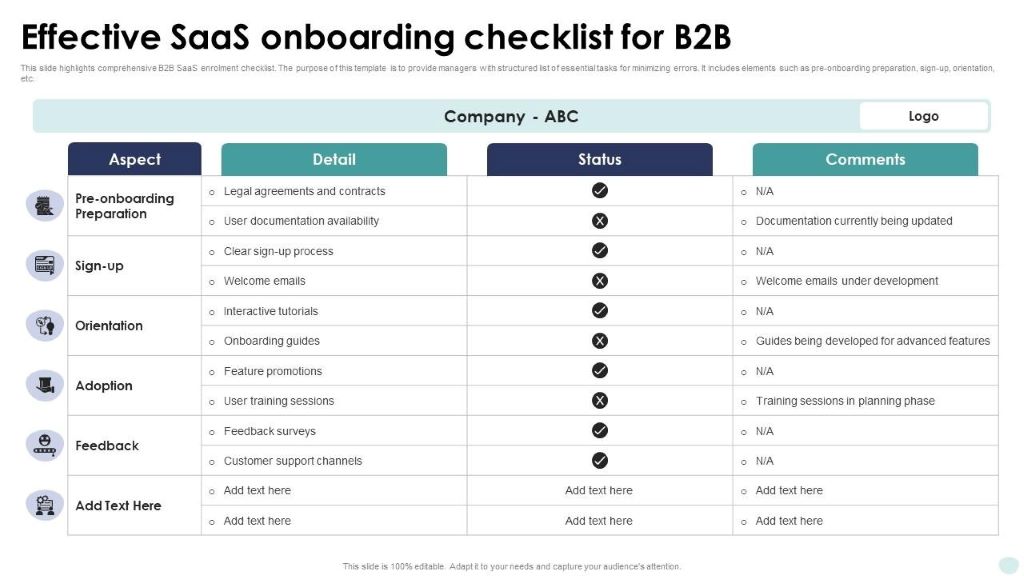
Ever wondered why some SaaS companies turn first-time users into loyal customers while others struggle with churn? The secret often lies in a well-crafted customer onboarding strategy. For B2B SaaS companies, an engaging onboarding experience can make or break user retention. This article outlines a comprehensive B2B onboarding checklist for SaaS companies, packed with actionable steps to drive engagement and maximize product adoption. Ready to transform your onboarding process into a powerful business growth engine? Let’s dive in!
Why B2B Onboarding Matters for SaaS Companies
A seamless customer onboarding journey sets the tone for long-term engagement. In B2B SaaS, where complex products and entire teams are involved, onboarding is no one-size-fits-all approach. According to a 2023 SaaS industry report by Gainsight, companies with intuitive onboarding flows see 30% higher retention rates. However, friction during onboarding can overwhelm users, leading to customer churn. So, how can SaaS companies create a frictionless sign-up and onboarding experience? It starts with a strategic checklist.
Key Elements of a B2B Onboarding Checklist
A customer onboarding checklist ensures consistency and clarity. Here’s a breakdown of essential onboarding elements tailored for B2B SaaS companies:
- Simplify the Sign-Up Process: A frictionless sign-up sets a positive tone. Avoid unnecessary steps to keep potential customers engaged.
- Introduce Core Features: Highlight key features that align with business objectives. Focus on essential features, not flashy features, to avoid overwhelming users.
- Provide Accessible Onboarding Materials: Offer step tutorials, video tutorials, and a comprehensive knowledge base to guide users through the initial setup.
- Use Progress Indicators: A progress bar or progress tracking shows users how far they’ve come, boosting completion rates.
- Incorporate Contextual Tooltips: Clever tooltips and interactive tooltips explain product features in real-time, reducing confusion for first-time users.
These steps create an intuitive onboarding experience, ensuring users take meaningful action early on. But what about tailoring the process to different user personas?
Personalizing the Onboarding Journey
Every B2B customer is unique, with varying skill levels and business goals. A one-size-fits-all approach risks alienating users. Instead, SaaS companies should focus on the user journey and customer lifecycle. For example, onboarding teams can use onboarding surveys to gather user feedback and tailor onboarding content. Wes Bush, a leading expert in Product-Led Onboarding, emphasizes that personalized onboarding can increase activation rates by 25%.
Consider these strategies:
- Segment User Personas: Identify individual user needs, such as business customers versus small teams, to customize onboarding tasks.
- Offer Hands-On Learning: Interactive guides and hands-on learning cater to different experience levels, making complex tasks feel manageable.
- Provide Detailed Help Guides: A helpful guide or comprehensive insights address common questions and potential issues.
- Enable Self-Service Onboarding: Low-touch onboarding empowers users to explore at their own pace, ideal for tech-savvy teams.
- Support High-Touch Onboarding: For larger clients, regular check-ins and customer service ensure a smooth transition.
By addressing user behavior and preferences, companies can drive engagement and build loyal users.
Measuring Success with Onboarding Metrics
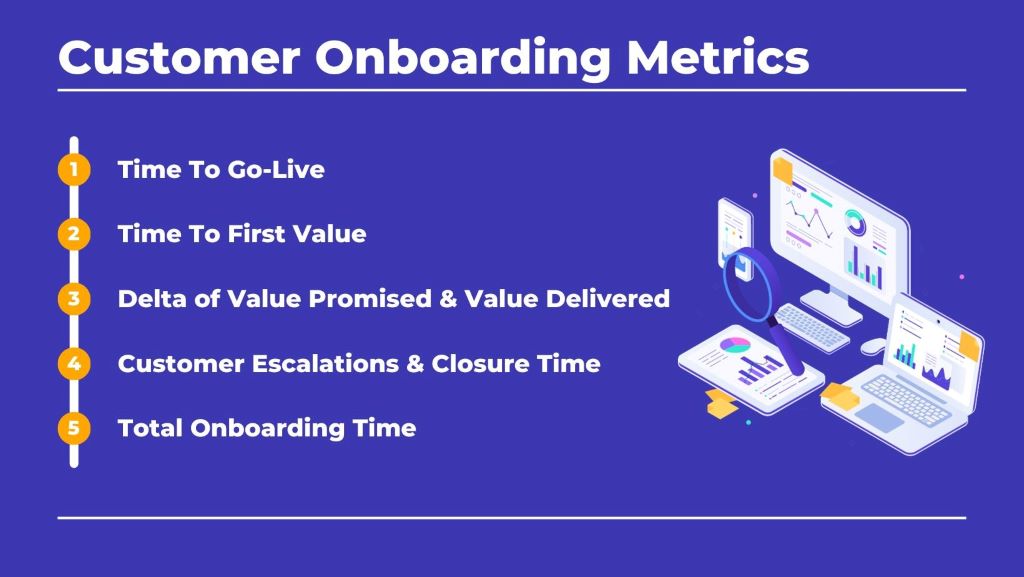
How do you know if your onboarding process is working? Tracking key metrics provides valuable insights. According to ChurnZero’s 2024 SaaS metrics report, companies that monitor onboarding metrics reduce churn rates by 15%. Here are critical actions to measure:
- Activation Rates: Track how many users complete key actions, like setting up an email marketing platform or event type setup.
- Retention Rate: Monitor user retention to gauge long-term engagement.
- Conversion Rates: Measure how many potential customers become paying users after onboarding.
- Completion Rate: Assess how many users finish the onboarding lifecycle.
- Customer Feedback: Use app surveys and real-time feedback to identify friction points.
These onboarding metrics help refine B2B onboarding strategies, ensuring alignment with business objectives.
Overcoming Common Onboarding Challenges
Even the best onboarding practices face hurdles. Overwhelming users with complex products or wasting time with irrelevant steps can derail the customer onboarding experience. Here’s how to tackle common issues:
- Reduce Friction: Streamline the user interface and onboarding design process to eliminate confusion. For instance, interactive questions can clarify user needs without lengthy forms.
- Avoid Information Overload: Focus on essential features during the onboarding steps. Save advanced features for later in the customer journey.
- Engage Entire Teams: In B2B settings, adoption inside organizations often depends on champions to drive team adoption. Equip these champions with training materials.
- Address Potential Issues Early: A robust customer onboarding checklist anticipates common issues, like interface design glitches or unclear instructions.
- Leverage Email Sequences: Automated email sequences reinforce onboarding content, keeping users engaged without manual effort.
By proactively addressing these challenges, SaaS companies can create a differentiator in user engagement.
Tools and Techniques for Effective Onboarding
The right onboarding design tools can transform the onboarding process into an ongoing process that drives results. Here are some techniques to consider:
- Progress Tracking: Use a progress bar to motivate users to complete onboarding tasks.
- Video Tutorials: Short, engaging videos explain complex features in a digestible format.
- Knowledge Bases: A comprehensive knowledge base answers quick questions, reducing reliance on customer service.
- Contextual Tooltips: These provide real-time guidance without disrupting the user onboarding flow.
- Onboarding Checklists: A customer onboarding checklist ensures no critical actions are missed.
Additionally, a data-driven design for businesses can optimize onboarding flows. For example, analyzing user feedback from app surveys can reveal which onboarding elements need tweaking. This approach to onboarding requires attention to user behavior, ensuring every step feels intuitive.
The Role of Customer Training in Onboarding
Customer training is a cornerstone of B2B onboarding. By offering accessible onboarding materials, SaaS companies empower users to master their product. For instance, a design learning app with step tutorials can cater to varying skill levels, from beginners to advanced users. Regular check-ins and onboarding surveys further enhance the customer onboarding journey, ensuring users feel supported.
Interestingly, companies that invest in customer training see a 20% boost in user engagement, per a 2024 SaaS onboarding study. This highlights the importance of treating onboarding as a powerful business growth engine, not a one-time setup process risk.
FAQs
- What is the goal of user onboarding in B2B SaaS?
The goal of user onboarding is to guide users to meaningful action, ensuring product adoption and long-term engagement.
- How can SaaS companies reduce friction during onboarding?
Streamline the sign-up process, use contextual tooltips, and provide clear, accessible onboarding materials to minimize confusion.
- What metrics should SaaS companies track for onboarding success?
Track activation rates, retention rate, conversion rates, completion rate, and customer feedback to measure onboarding effectiveness.
- How does low-touch onboarding differ from high-touch onboarding?
Low-touch onboarding is self-service, ideal for smaller teams, while high-touch onboarding involves personalized support for larger clients.
- Why is customer feedback important in onboarding?
Customer feedback identifies friction points and user needs, helping refine the onboarding process for better retention.
Have you implemented a B2B onboarding checklist for your SaaS company? Share your tips or challenges in the comments below! If this guide sparked ideas, spread the word by sharing it with your network or explore our other SaaS growth resources for more insights.
Read More:
Top Challenges a CMMC Consultant Helps Solve
Contextual Data Privacy in Customer Profiling: Unveiling the Future of Trust