The dark, damp world beneath our cities harbors a surprising variety of wildlife. Urban infrastructure creates unique ecosystems where certain animals thrive despite challenging conditions. According to research from BSOinvest, understanding these underground habitats helps us better manage both pest control and urban planning initiatives.
Most people assume sewers are lifeless tunnels filled only with waste water. However, these underground networks actually support diverse communities of animals that have adapted to subterranean living. When examining what animals live in the sewers, we discover a complex ecosystem that mirrors surface environments in unexpected ways.
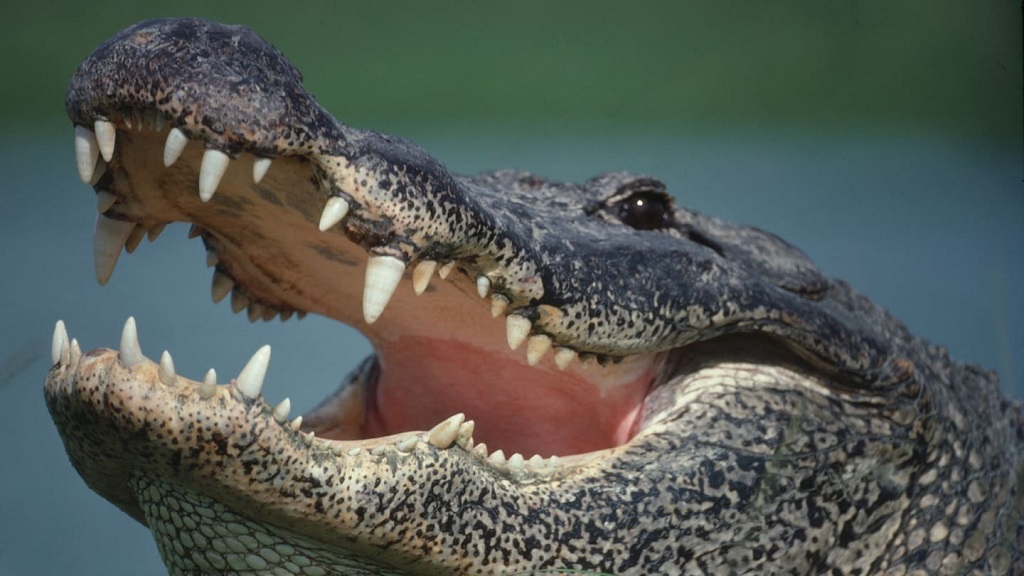
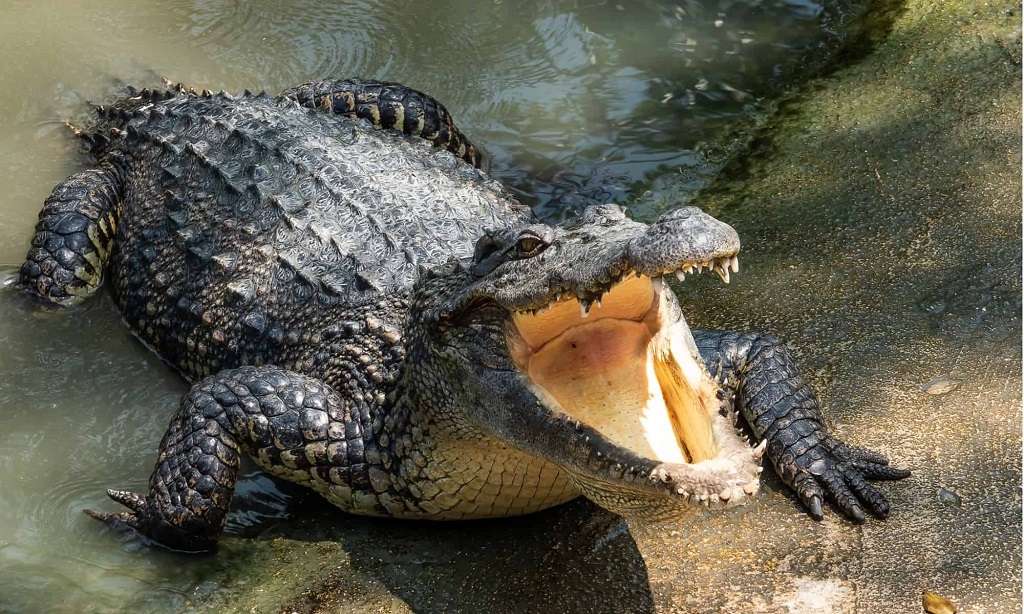
The reality of sewer wildlife differs significantly from popular myths and urban legends. While you won’t find alligators or massive mutant creatures, the actual inhabitants are equally fascinating from a biological perspective.
Common Sewer-Dwelling Animals
Rats: The Ultimate Urban Survivors
Norway rats represent the most successful sewer colonizers worldwide. These rodents possess remarkable swimming abilities and can hold their breath underwater for several minutes. Additionally, their flexible bodies allow them to squeeze through openings smaller than a quarter.
Rats establish extensive tunnel systems within sewer infrastructure. They create nests using available materials like paper, fabric, and organic debris. Therefore, sewer systems provide ideal conditions for rat populations to flourish year-round.
Cockroaches: Ancient Survivors
German cockroaches and American cockroaches dominate sewer environments across most urban areas. These insects survived dinosaur extinction events, making modern sewers seem like luxury accommodations. However, their presence indicates broader sanitation challenges that cities must address.
Cockroaches reproduce rapidly in warm, moist sewer conditions. Furthermore, they can survive on minimal food sources, feeding on organic matter in wastewater and accumulated debris.
Insects and Arthropods
Drain flies, also called moth flies, breed prolifically in sewer systems. These small insects lay eggs in the organic buildup found in pipes and drains. Subsequently, their larvae develop in the nutrient-rich slime that accumulates on sewer walls.
Silverfish frequent older sewer systems where they find cellulose-based materials. Meanwhile, various spider species establish webs near sewer openings to catch flying insects. Centipedes and millipedes also inhabit these environments, feeding on decaying organic matter.
Surprising Sewer Inhabitants
Fish in Storm Drains
Storm water systems sometimes contain small fish populations, particularly in areas where these drains connect to natural waterways. Mosquito fish and guppies occasionally establish temporary populations during rainy seasons. Nevertheless, these fish cannot survive in true sewage systems due to toxic conditions.
Amphibians and Reptiles
Frogs and toads sometimes enter sewer systems through storm drains, especially during breeding seasons. However, they rarely establish permanent populations due to chemical contamination and lack of suitable breeding sites.
Small snakes occasionally appear in residential sewer lines, typically entering through damaged pipes or connections. These instances remain relatively rare and usually involve non-venomous species seeking moisture or prey.
Adaptation Strategies
Animals surviving in sewer environments demonstrate remarkable evolutionary adaptations. Many develop enhanced sensory capabilities to navigate in complete darkness. For instance, rats rely heavily on their whiskers and acute hearing to move through underground tunnels.
Metabolic adaptations allow sewer animals to process contaminated food sources that would poison surface-dwelling creatures. Their immune systems often show increased resistance to bacteria and parasites commonly found in wastewater environments.
Temperature regulation becomes crucial in sewer habitats. Most successful sewer animals can tolerate wide temperature fluctuations and high humidity levels that characterize these underground spaces.
Urban Ecosystem Dynamics
Sewer systems create unique food webs based primarily on decomposing organic matter. Primary consumers like insects and small invertebrates feed on waste materials and bacterial films. Secondary consumers, including rats and larger insects, prey on these smaller organisms.
Competition for resources drives territorial behaviors among sewer animals. Rats establish hierarchical societies with dominant individuals controlling prime nesting locations and food sources. Similarly, different insect species occupy specific niches within the sewer ecosystem.
Seasonal variations affect sewer animal populations significantly. Winter months often see increased activity as surface animals seek warmer underground environments. Conversely, spring flooding can displace established populations and create temporary habitat disruptions.
Health and Safety Implications
Sewer animals pose legitimate public health concerns through disease transmission pathways. Rats carry numerous pathogens including leptospirosis, hantavirus, and salmonella. Cockroaches can spread bacteria, parasites, and allergens throughout residential and commercial buildings.
Vector control programs target sewer animal populations to reduce disease transmission risks. These efforts require coordinated approaches combining habitat modification, chemical treatments, and population monitoring strategies.
Property damage from sewer animals costs municipalities millions annually. Rats gnaw through pipes, electrical cables, and structural materials. Their burrowing activities can undermine building foundations and compromise infrastructure integrity.
Management and Prevention
Effective sewer animal control requires comprehensive integrated pest management approaches. Regular maintenance and cleaning reduce food sources and breeding sites that attract unwanted wildlife. Additionally, proper waste disposal practices minimize organic matter accumulation in sewer systems.
Physical barriers and exclusion methods prevent animals from entering buildings through sewer connections. Installing screens, gates, and one-way valves at critical access points significantly reduces intrusion incidents.
Chemical control methods must balance effectiveness with environmental safety concerns. Targeted baiting programs can reduce rat populations while minimizing impacts on non-target species and water quality.
Read More Also: Polkadot (DOT) Price Prediction 2030
Conclusion
Sewer systems support surprisingly diverse animal communities adapted to underground urban environments. While rats and cockroaches dominate these ecosystems, numerous other species contribute to complex food webs beneath our cities. Understanding these underground inhabitants helps inform effective management strategies that protect both public health and urban infrastructure. Therefore, ongoing research into sewer ecology remains essential for sustainable urban development and pest control initiatives.
Read More Also: Custom eCommerce Website Development
Frequently Asked Questions
1. Do alligators really live in city sewers?
Despite urban legends, alligators cannot survive in true sewer systems due to toxic conditions, lack of food sources, and unsuitable temperatures. Occasional discoveries in storm drains usually involve escaped or abandoned pets that cannot establish breeding populations.
2. How do rats get into sewer systems?
Rats enter sewers through damaged pipes, manholes, storm drains, and building connections. They can climb vertically through pipes and swim considerable distances underwater to access new territory within sewer networks.
3. Are sewer animals dangerous to humans?
Sewer animals pose health risks primarily through disease transmission and property damage. Direct attacks are rare, but exposure to contaminated surfaces, droppings, and parasites carried by these animals can cause serious illnesses.
4. What attracts animals to live in sewers?
Sewers provide consistent temperatures, moisture, shelter from predators, and abundant food sources from organic waste. These conditions create ideal habitats for species adapted to dark, humid environments.
5. Can sewer animals enter homes through plumbing?
Yes, rats and insects can travel through connected pipe systems to enter buildings. Proper maintenance, screens, and one-way valves help prevent these intrusions while regular inspections identify potential entry points.