
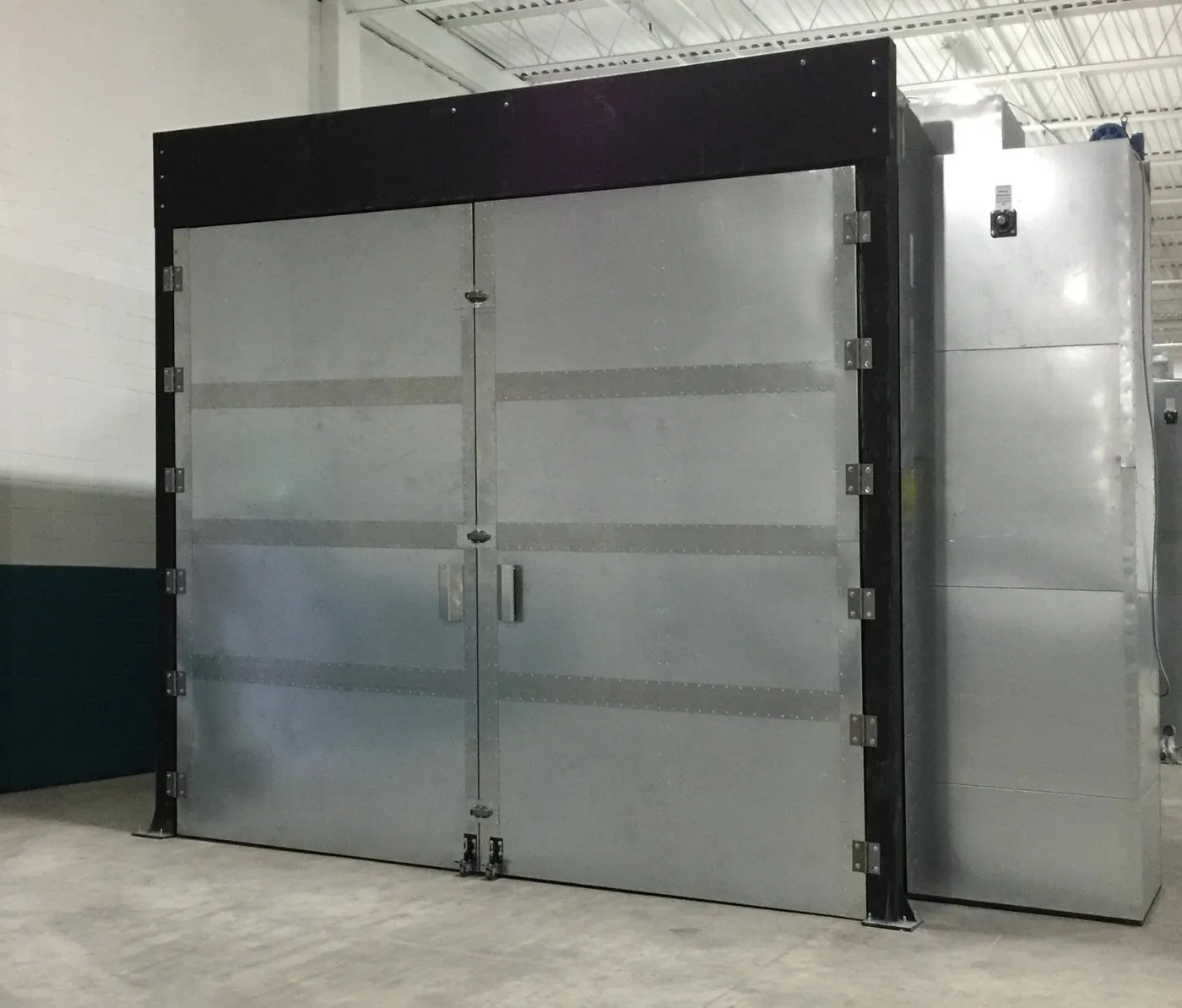
Temperature control in powder coating ovens is essential for producing high-quality finishes. When the heat inside these ovens fluctuates, it can lead to inconsistent coating results, costing both time and money. But what’s behind these unexpected temperature changes? Several hidden culprits might be affecting the performance of your powder coating oven. Let’s take a closer look at some of the key issues that could be causing your oven’s temperature to fluctuate.
Inconsistent Airflow Distribution Disrupting Heat Uniformity
One of the most common reasons for temperature fluctuations in powder coating ovens is inconsistent airflow. The way air moves inside the oven is crucial for maintaining a steady temperature throughout. When airflow is uneven, it creates hot and cold spots, which can result in areas of the coating being over- or under-cured.
This problem often occurs when the oven’s fans or ducts are blocked or not properly aligned. These issues prevent the air from circulating evenly, which disrupts the uniformity of the heat. Checking and cleaning the ventilation system regularly can help ensure that the airflow is balanced and that your oven heats evenly.
In some cases, the design of the oven itself might contribute to inconsistent airflow. If the layout of the heating elements or the placement of the fans isn’t optimal, it may cause airflow to concentrate in certain areas, leaving other parts of the oven too cool.
Aging Heating Elements Failing to Maintain Peak Performance
Over time, the heating elements in powder coating ovens can wear out. When these elements start to age, they lose their ability to heat efficiently, leading to inconsistent temperatures. If the oven’s temperature control system is constantly working to compensate for failing elements, fluctuations in heat levels are almost guaranteed.
One clear sign that the heating elements are aging is when it takes longer than usual for the oven to reach its set temperature. If the powder coating oven is struggling to maintain consistent heat, it’s a good idea to inspect the heating elements for signs of wear and tear. Replacing them as needed will keep the oven running at peak performance.
Faulty Thermocouples Misreading Critical Temperature Levels
Thermocouples are responsible for monitoring the temperature inside powder coating ovens. When these devices malfunction, they can misread the actual temperature, sending incorrect signals to the oven’s control system. As a result, the system may either overheat or underheat the oven, leading to unwanted fluctuations.
A faulty thermocouple might not always show clear signs of malfunction, but regular calibration can help catch misreadings early. If the temperature readings seem inconsistent or erratic, it could be a sign that the thermocouples need to be replaced or recalibrated. Keeping these temperature sensors in top working order is key to preventing unexpected heat changes in your powder coating oven.
Poor Insulation Allowing External Environmental Interference
The insulation of a powder coating oven is designed to keep external environmental factors from interfering with the internal temperature. However, poor or deteriorating insulation can allow heat to escape, or even worse, allow external temperature changes to affect the oven’s interior.
If an oven is located in a space that fluctuates in temperature — such as a drafty warehouse or an outdoor area — weak insulation will make it difficult to maintain steady heat inside the oven. Inspecting the oven’s insulation for cracks, gaps, or other signs of wear is critical. Replacing or repairing insulation as needed can help shield the internal temperature from external changes.
Fluctuating Voltage Causing Irregular Power Supply to Burners
Another hidden culprit behind temperature fluctuations in powder coating ovens is an inconsistent power supply. Fluctuating voltage can cause the burners in the oven to receive uneven amounts of energy, which directly impacts the heating elements’ ability to maintain consistent temperatures.
When the voltage supply isn’t stable, it’s harder for the oven to keep the heat levels steady. This issue is especially common in facilities where multiple high-power machines are running simultaneously. To avoid this, installing voltage regulators or surge protectors can help stabilize the power supply, ensuring that the burners receive the energy they need to function properly.
Misaligned Oven Doors Compromising Internal Heat Retention
It’s easy to overlook, but the alignment of an oven’s doors plays a major role in heat retention. If the doors on a powder coating oven don’t seal properly, heat will escape, causing the internal temperature to drop and fluctuate. Misaligned doors might also allow cooler air from the outside to seep in, further disrupting the heat balance.
Regular checks on door alignment and the condition of the door seals can prevent these issues. If the doors are out of place or if the seals are worn down, replacing or repairing them will help maintain proper heat retention. This simple adjustment can have a huge impact on keeping the oven’s temperature steady and consistent.


