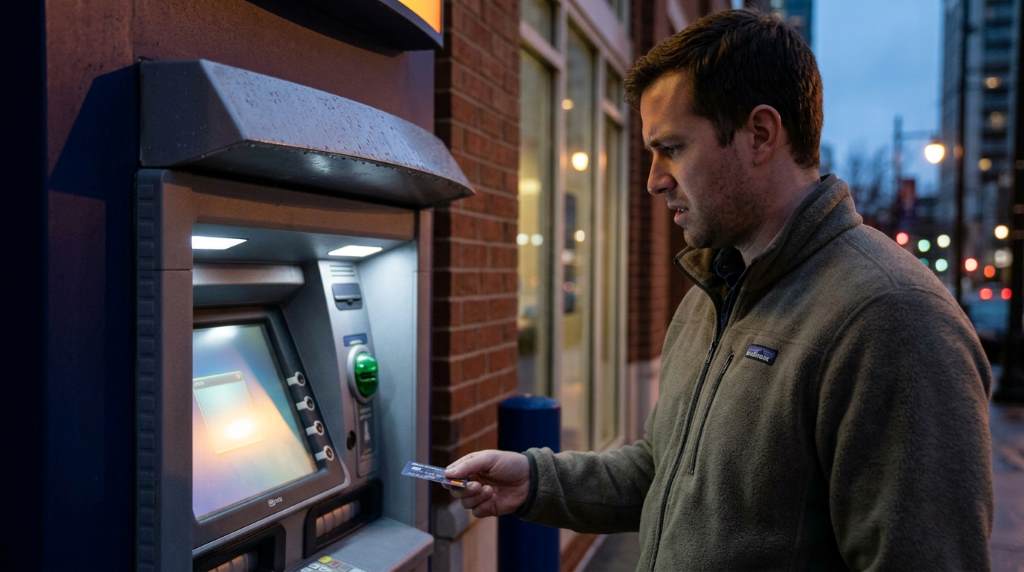
Banking transaction problems can happen unexpectedly and create unnecessary stress for individuals and businesses. According to recent industry reports, digital banking now serves more than 75% of consumers, while payment disputes continue increasing yearly. Therefore, understanding common banking challenges helps protect your finances and reduces costly mistakes. Many customers also search for guidance about electronic funds ATM deposit issues when unexpected account adjustments appear. This guide explains practical solutions that help you resolve banking transaction issues efficiently while keeping your financial records accurate.
Understand Common Banking Transaction Problems
Banking transactions sometimes fail because of technical interruptions, account restrictions, or incorrect payment details. Consequently, identifying the exact issue becomes the first step toward a quick resolution.
Customers frequently experience duplicate charges, delayed transfers, missing deposits, unauthorized withdrawals, or declined debit card purchases. Likewise, reviewing future proof brand strategies reminds businesses that strong financial planning also includes reliable banking practices.
- Duplicate card transactions
- Pending transactions lasting longer than expected
- ATM cash dispensing errors
- Incorrect mobile deposit amounts
- Wire transfer delays
- Unauthorized account activity
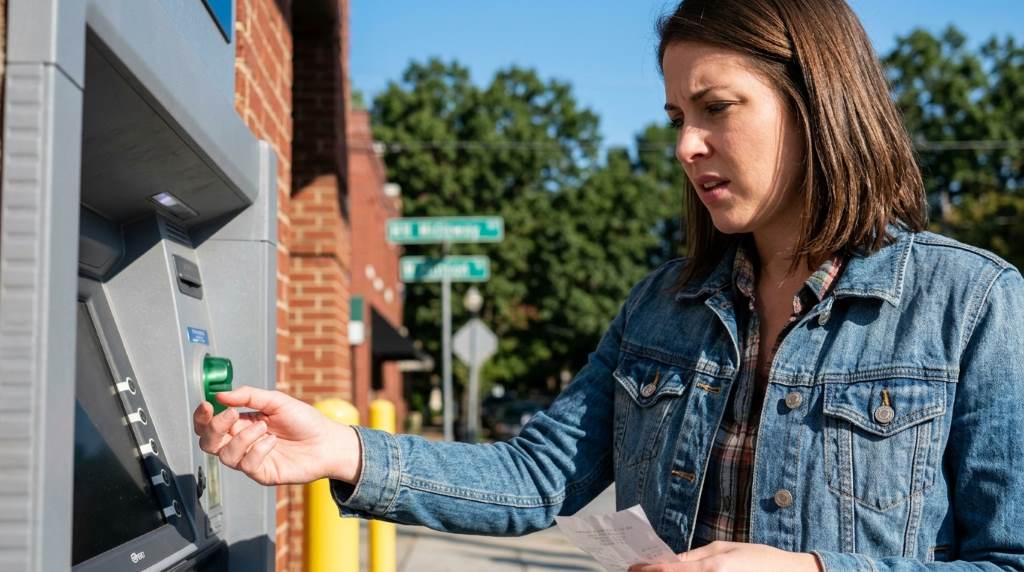
Verify Every Transaction Before Contacting Your Bank
Always review your account activity carefully before reporting any problem to your financial institution. Moreover, checking transaction history prevents unnecessary claims caused by pending authorization holds.
Compare receipts, confirmation emails, banking notifications, and merchant invoices before filing a complaint. As a result, customer service representatives can investigate faster using accurate information.
Important Details to Collect
- Transaction date and time
- Payment amount
- Merchant name
- Reference or confirmation number
- Account information
- Screenshots of transaction history
Contact Customer Support Quickly
Prompt communication often prevents small banking problems from becoming larger financial complications. Therefore, contact your bank immediately after discovering suspicious or incorrect activity.
Explain the issue clearly while providing supporting documentation during your conversation. Additionally, reading about business success adaptability demonstrates why timely responses improve financial management across every organization.
Best Communication Methods
- Official customer service phone number
- Secure online banking messages
- Local branch visits
- Official banking mobile applications
- Verified customer support chat
Handle Unauthorized Transactions Effectively
Unauthorized charges require immediate action because delays may complicate reimbursement investigations. Therefore, report suspicious activity as soon as possible after discovery.
Request temporary card suspension while the bank reviews your dispute documentation. Meanwhile, continue monitoring every account for additional unauthorized transactions.
Steps to Protect Your Account
- Change your online banking password.
- Enable multi factor authentication.
- Review recent account activity carefully.
- Replace compromised debit or credit cards.
- Save every communication with your bank.
Resolve ATM Deposit and Withdrawal Problems
ATM errors occasionally happen because of hardware failures, network interruptions, or processing delays. Fortunately, most banks investigate these claims using machine records and security footage.
Record the ATM location, transaction receipt, and exact deposit amount immediately after the incident. Consequently, investigators receive stronger evidence supporting your request.
If the ATM Does Not Provide Cash
- Keep your receipt safely.
- Avoid repeating the withdrawal immediately.
- Report the problem promptly.
- Monitor your account regularly.
Address Mobile Banking Transfer Issues
Mobile banking simplifies payments, although incorrect account information may delay successful transfers. Therefore, verify every payment detail before confirming the transaction.
If money reaches the wrong recipient, contact your bank without unnecessary delays. Likewise, avoid sending repeated transfers while the original payment remains pending.
Helpful Prevention Tips
- Double check recipient information.
- Verify payment amounts carefully.
- Update banking applications regularly.
- Use secure internet connections.
- Enable transaction alerts.
Keep Organized Financial Records
Accurate documentation strengthens your position during any banking investigation or payment dispute. Therefore, maintain digital and printed copies whenever possible.
Store receipts, invoices, account statements, confirmation emails, and dispute reference numbers together. Consequently, locating supporting documents becomes much easier during follow up conversations.
Essential Records to Save
- Monthly bank statements
- Transaction receipts
- Email confirmations
- Customer support case numbers
- Written correspondence
Know When to Escalate the Issue
If customer service cannot resolve your concern, request assistance from a supervisor or specialized dispute department. Moreover, remain respectful while explaining every supporting detail clearly.
Document each conversation, including representative names, dates, and promised actions for future reference. As a result, escalation becomes more organized and easier to track.
Prevent Future Banking Transaction Problems
Preventive habits reduce financial risks and improve your overall banking experience significantly. Therefore, monitor your accounts consistently instead of reviewing them occasionally.
Enable account alerts for deposits, withdrawals, transfers, and card purchases through your banking application. Additionally, update passwords regularly and avoid sharing sensitive banking credentials.
- Review statements weekly.
- Activate fraud notifications.
- Use secure passwords.
- Avoid public wireless networks.
- Update contact information promptly.
Conclusion
Banking transaction issues become easier to manage when you respond quickly and stay organized throughout the process. Furthermore, accurate documentation strengthens every dispute while improving communication with financial representatives.
Take action immediately whenever suspicious activity appears, and review your accounts regularly for maximum financial protection. Start applying these practical strategies today to reduce banking stress and resolve transaction problems confidently.
Frequently Asked Questions
How long do banking transaction investigations usually take?
Most investigations finish within several business days, although complex cases may require additional time.
What should I do after finding an unauthorized charge?
Contact your bank immediately and report the suspicious transaction without delay.
Can pending transactions disappear automatically?
Yes, some pending transactions expire if the merchant never completes the payment.
Should I keep banking receipts after transactions?
Yes, keeping receipts provides valuable evidence during disputes or transaction investigations.
How can I reduce future banking transaction issues?
Monitor accounts frequently, enable alerts, and verify every payment before submitting transactions.