The agricultural landscape is ripe with opportunities for entrepreneurs who are willing to think outside the box. With a growing global population and increasing demand for sustainable food sources, innovative Agricultural Business Ideas are not only profitable but also essential for the future of our planet. This article delves into ten cutting-edge concepts that could revolutionize the industry.
1. Vertical Farming: The Skyscraper Solution
Vertical farming is an indoor farming method that utilizes vertically stacked layers to maximize crop yield in a limited space. This technique addresses several challenges faced by traditional farming, such as land scarcity, water usage, and pesticide dependence. Vertical farms in abandoned warehouses or repurposed shipping containers offer a chance to revitalize urban environments. This brings fresh produce closer to consumers and reduces transportation costs.
2. Aquaponics: The Marriage of Fish and Plants
Aquaponics is a symbiotic system that combines aquaculture (raising fish) with hydroponics (growing plants without soil). The fish waste provides nutrients for the plants, while the plants filter the water for the fish. This closed-loop system is incredibly efficient, using minimal water and eliminating the need for chemical fertilizers. Aquaponics is scalable and can be adapted for both small-scale home setups and large-scale commercial operations.
3. Regenerative Agriculture: Healing the Earth
Regenerative agriculture is a holistic approach that focuses on improving soil health, biodiversity, and water cycles. It involves practices such as crop rotation, cover cropping, and reduced tillage, which help to sequester carbon in the soil, improve water retention, and enhance ecosystem resilience. Regenerative agriculture not only produces healthier food but also contributes to mitigating climate change.
4. Precision Agriculture: Farming with Data
Precision agriculture utilizes technology to optimize crop production. Sensors, drones, and GPS systems collect data on soil conditions, weather patterns, and plant health, allowing farmers to make informed decisions about irrigation, fertilization, and pest control. This targeted approach reduces waste, increases efficiency, and improves crop yields.
5. Insect Farming: A Sustainable Protein Source
Insects are a nutritious and sustainable alternative to traditional livestock. They require less space, water, and feed, and produce significantly fewer greenhouse gas emissions. We can do insect farming on a small scale, even in urban settings. The harvested insects can then be used for animal feed or processed into human food products.
6. Agricultural Robotics: Agricultural Business Ideas
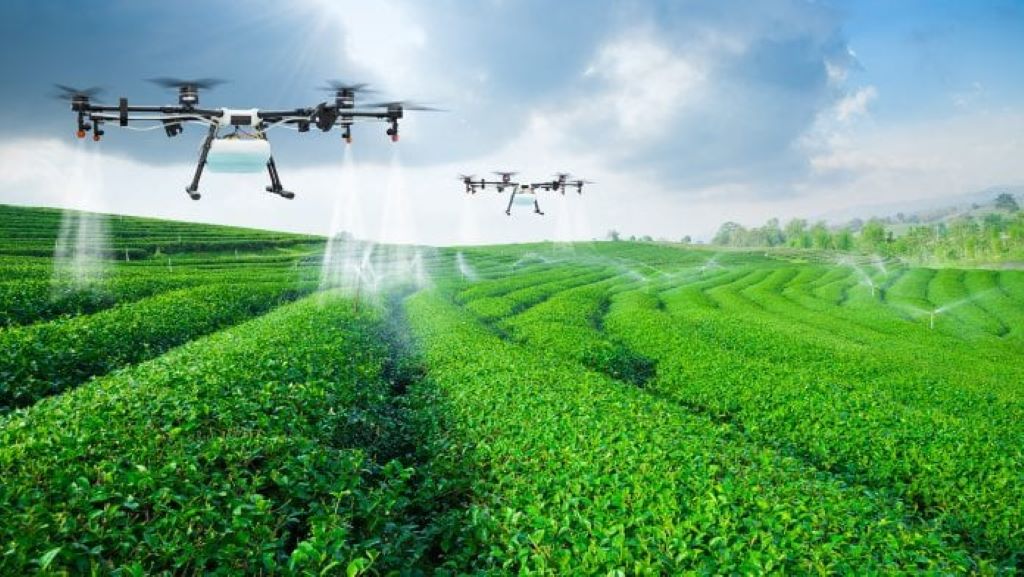
Robotics and automation are transforming many industries, and agriculture is no exception. Robotic systems can be used for planting, harvesting, weeding, and even milking cows. These machines can work tirelessly, improving efficiency and reducing labor costs. As technology advances, agricultural robots are becoming more sophisticated and capable of performing complex tasks.
7. Blockchain in Agriculture: Transparency and Traceability
Blockchain technology empowers the creation of a transparent and secure supply chain for agricultural products. Consumers can trace the origin of their food, ensuring its authenticity and safety. Blockchain technology actively facilitates smart contracts, automating transactions and reducing administrative overhead.
8. Agri-tourism: Experiencing the Farm
Agri-tourism offers a unique opportunity for farmers to diversify their income and connect with consumers. Activities such as farm tours, educational workshops, and seasonal festivals allow people to experience the farm firsthand, fostering a greater appreciation for agriculture and locally produced food.
9. Microgreens: Nutrient-Dense Superfoods
Microgreens are young seedlings of various vegetables and herbs that are harvested at an early stage. They are packed with nutrients and offer a wide range of health benefits. Urban farmers grow microgreens indoors year-round, making them a profitable and sustainable crop.
Related: Big Data Analytics for Small Business
10. Agricultural Data Analytics: Unlocking Insights
Data analytics plays a crucial role in modern agriculture. By analyzing large datasets collected from various sources, farmers can gain valuable insights into crop performance, soil health, and market trends. This information can be used to optimize production, improve profitability, and make data-driven decisions.
In Conclusion
The future of agriculture is bright, with innovative agricultural business ideas emerging to address the challenges of a growing population and a changing climate. By embracing technology, sustainable practices, and creative solutions, entrepreneurs can not only achieve financial success but also contribute to a healthier and more resilient food system.