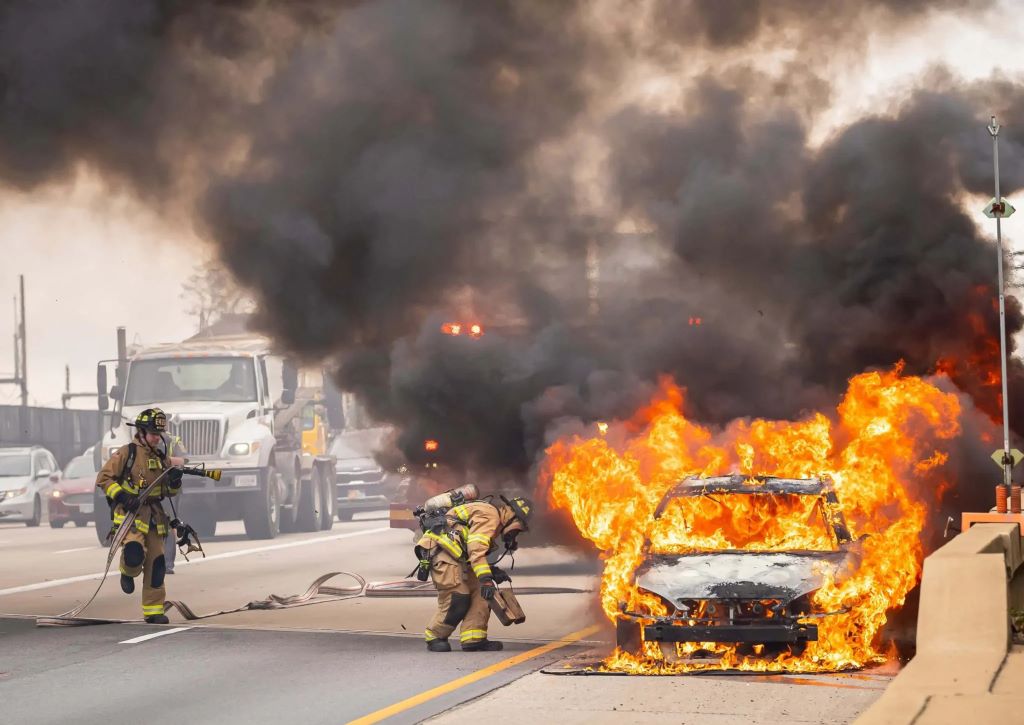
A vehicle fire is a devastating event, capable of destroying a significant asset and potentially endangering lives. While the immediate concern is safety, understanding how insurance plays a role in recovery is crucial. This article delves into the types of insurance that typically cover fire damage to vehicles, the factors that affect coverage, and the steps to take in the unfortunate event of a vehicle fire.
The Key Insurance Players
- Comprehensive Coverage: The primary insurance policy that covers fire damage to vehicles is comprehensive coverage. You can go beyond the basic mandatory liability insurance with this optional policy. It safeguards your car against various threats, like fire, theft, and even animal collisions. In most cases, if your vehicle catches fire due to mechanical failure, electrical malfunction, arson, or other covered causes, comprehensive coverage will typically step in to cover the repair or replacement costs.
- Collision Coverage: While primarily associated with accidents, collision coverage might also come into play in a fire scenario. If your vehicle catches fire as a result of a collision, collision coverage could cover the damage, depending on your policy terms and the specific circumstances of the incident.
Factors Influencing Coverage
Several factors can influence whether or not your insurance will cover fire damage to your vehicle:
- The Cause of the Fire: The underlying cause of the fire plays a significant role. Our comprehensive coverage will likely activate if a covered peril (like mechanical malfunction) or an act of nature causes the fire. However, if the fire is determined to be the result of intentional acts (such as arson) or negligence on your part, coverage might be denied.
- Policy Exclusions: Insurance policies often contain exclusions – specific circumstances or events that are not covered. It’s essential to carefully review your policy documents to understand any exclusions related to fire damage.
- Deductibles: Most comprehensive and collision policies have deductibles – the amount you’ll need to pay out of pocket before your insurance coverage begins. The deductible amount can vary depending on your chosen coverage and insurance provider.
What to Do If Your Vehicle Catches Fire
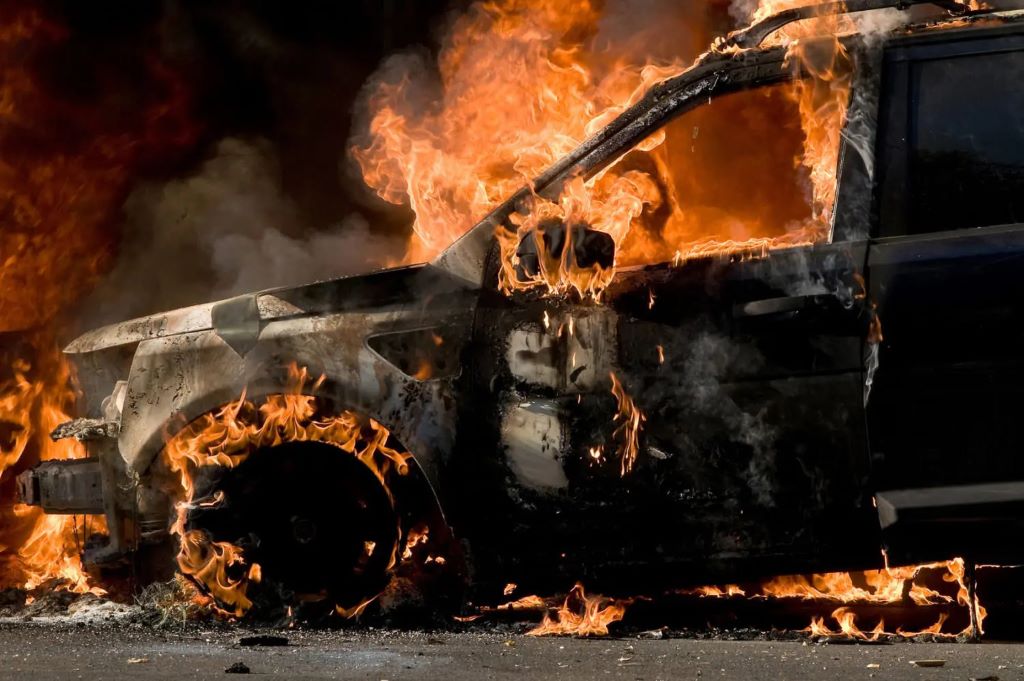
- Prioritize Safety: Your first and foremost priority is safety. If the fire is small and manageable, you can attempt to extinguish it using a fire extinguisher. However, if the fire is spreading rapidly, evacuate the vehicle immediately and call emergency services.
- Document the Incident: If possible, take pictures or videos of the fire and the surrounding scene. This documentation can be valuable for your insurance claim.
- Notify Your Insurer: Contact your insurance company as soon as possible to report the incident and initiate the claims process. Be prepared to provide details about the incident, including the location, time, and any known causes of the fire.
- Cooperate with the Investigation: Your insurer will likely investigate the incident to determine the cause of the fire and assess the extent of the damage. Cooperate fully with the investigation and provide any requested information.
The Loan Lowdown: Unveiling the Easiest Paths to Business Financing
Additional Considerations
- Additional Living Expenses (ALE): Comprehensive policies offer ALE coverage, which helps you with expenses like rental cars or temporary accommodation if your vehicle suffers fire damage and becomes unusable.
- Gap Insurance: If you’re leasing or financing your vehicle, gap insurance can be valuable. It covers the difference between the actual cash value of your vehicle and the amount you owe on the loan or lease, ensuring you’re not left with a financial burden after a total loss.
Related: The Biggest Financial Mistake (and How to Avoid It)
Prevention is Key
While insurance is a crucial safety net, preventing vehicle fires is the best course of action. Regularly maintain your vehicle, have any electrical issues addressed promptly, and avoid leaving flammable materials in your car.
Conclusion
A vehicle fire is a stressful experience, but understanding your insurance coverage can help alleviate some of the financial burdens. Review your car insurance policy to understand your coverage. Then, take steps to prevent fires, like regularly checking fluids, and learning emergency procedures for peace of mind.