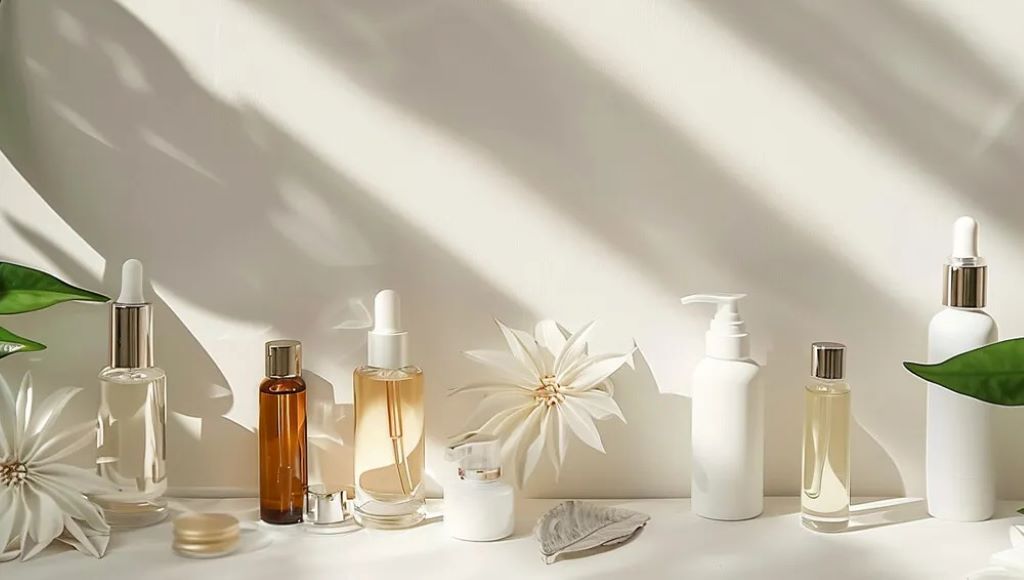
Introduction: Why the Cosmetics Industry is Your Golden Ticket
The global cosmetics industry is booming, projected to reach a staggering $463.5 billion by 2027, according to Grand View Research. With increasing consumer awareness about self-care, sustainability, and personalized beauty solutions, now is the perfect time to dive into this lucrative market. But how do you carve out your niche and build a successful cosmetics business? If you’re wondering how to start a cosmetics business , this guide will walk you through every step of the journey—from ideation to execution—while offering actionable insights, real-world examples, and expert advice.
Whether you’re an aspiring entrepreneur or a seasoned business owner looking to pivot, this article will equip you with the tools and knowledge needed to thrive in today’s competitive beauty landscape. Let’s get started!
1. Understanding the Cosmetics Market Landscape
The Rise of Personalization and Clean Beauty
Consumers are no longer satisfied with one-size-fits-all products. The demand for personalized skincare routines, inclusive shade ranges, and eco-friendly formulations has skyrocketed. According to McKinsey & Company, nearly 60% of Gen Z shoppers prioritize sustainability when purchasing beauty products. Brands like Glossier and Fenty Beauty have capitalized on these trends, proving that innovation and inclusivity drive success.
Emerging Trends Shaping the Future
- AI-Powered Skincare Solutions : Apps that analyze skin conditions and recommend tailored products.
- Gender-Neutral Cosmetics : Breaking traditional norms with unisex product lines.
- Vegan and Cruelty-Free Formulations : Ethical practices resonate deeply with modern consumers.
Understanding these shifts can help you position your brand effectively and stay ahead of competitors.
2. Crafting Your Unique Value Proposition (UVP)
Your UVP is what sets you apart from thousands of other brands vying for attention. Ask yourself:
- What problem does my product solve?
- Who is my target audience?
- How does my brand align with current market demands?
For instance, if you’re targeting millennials who value transparency, consider launching a line of clean, vegan makeup with recyclable packaging. Highlighting your commitment to ethical sourcing and environmental responsibility could be your winning edge.
3. Conducting Market Research Like a Pro
Identifying Your Target Audience
Before diving into production, it’s crucial to understand who your customers are. Are they working professionals seeking quick fixes? Or perhaps teenagers experimenting with bold colors? Tools like Google Analytics, social media polls, and focus groups can provide invaluable data.
Analyzing Competitors
Study top-performing brands in your niche. What are their strengths and weaknesses? For example, while Sephora dominates the high-end market, indie brands like Milk Makeup thrive by catering to younger audiences with edgy aesthetics. Learning from both successes and failures will sharpen your strategy.
4. Developing Your Product Line
Choosing the Right Products
Start small but impactful. Launching with three to five hero products ensures quality control and manageable inventory costs. Consider starting with staples like foundation, lipstick, or moisturizers before expanding into specialized items.
Partnering with Reliable Manufacturers
Finding a trustworthy manufacturer is critical. Look for certifications such as ISO 22716 (Good Manufacturing Practices for Cosmetics). Websites like Alibaba and ThomasNet can connect you with vetted suppliers worldwide.
Testing and Compliance
Ensure your products meet FDA regulations and undergo rigorous testing for safety and efficacy. Partnering with third-party labs can validate claims like “hypoallergenic” or “dermatologist-tested.”
5. Building a Strong Brand Identity

Naming Your Brand
Your name should evoke emotion and reflect your mission. Think of iconic names like L’Oréal (“golden”) or NARS (named after its founder). Keep it simple yet memorable.
Designing Packaging That Pops
In the age of Instagram, visual appeal matters more than ever. Minimalist designs, bold typography, and sustainable materials often resonate well with consumers. Collaborate with graphic designers to create packaging that tells your story.
Creating a Compelling Brand Story
People buy from brands they connect with emotionally. Share your journey—whether it’s overcoming personal struggles or championing a cause close to your heart. Authenticity builds trust.
6. Marketing Strategies That Work Wonders
Leveraging Social Media Platforms
Platforms like TikTok, Instagram, and Pinterest are goldmines for cosmetic brands. Influencer marketing remains highly effective; micro-influencers (with 10k–100k followers) tend to deliver higher engagement rates compared to macro-influencers.
Content Marketing Done Right
Blogs, tutorials, and behind-the-scenes videos not only educate but also humanize your brand. For example, Huda Kattan built her empire by sharing makeup tips on YouTube long before launching Huda Beauty.
Email Campaigns That Convert
Personalized emails featuring exclusive discounts or new arrivals keep customers engaged. Tools like Mailchimp make automation seamless.
7. Setting Up Operations and Logistics
Choosing the Right Sales Channels
Will you sell exclusively online via Shopify or Amazon? Or open physical stores too? Diversifying channels reduces risk and maximizes reach.
Streamlining Supply Chain Management
Efficient logistics ensure timely deliveries without breaking the bank. Use software like ShipBob or Fulfillment by Amazon to simplify warehousing and shipping processes.
Customer Service Excellence
Happy customers become loyal advocates. Invest in training staff to handle queries promptly and professionally.
8. Scaling Your Cosmetics Business
Once established, focus on scaling strategically. Explore international markets, introduce subscription boxes, or collaborate with complementary brands. Remember, growth requires reinvestment—not reckless expansion.
Cultivating the Future: 10 Innovative Agricultural Business Ideas
FAQs About Starting a Cosmetics Business
- What licenses do I need to start a cosmetics business?
-
- Depending on your location, you may require FDA registration, state permits, and trademark filings.
- How much capital is needed to launch a cosmetics brand?
-
- Costs vary widely but typically range from $10,000 to $50,000+ for initial setup.
- Can I manufacture products at home?
-
- While possible, commercial manufacturing facilities ensure compliance and scalability.
- How important is sustainability in cosmetics?
-
- Extremely! Over 70% of consumers prefer eco-conscious brands.
- Should I hire influencers for promotion?
-
- Yes, especially micro-influencers who foster genuine connections with their followers.
- What’s the best way to test new products?
-
- Conduct beta trials with select customers and gather feedback.
- Is private labeling a good option?
-
- It’s cost-effective but limits customization options.
- How do I price my products competitively?
-
- Factor in production costs, competitor pricing, and perceived value.
- What role does SEO play in marketing?
-
- Optimizing content improves visibility and drives organic traffic.
- How long does it take to see profits?
-
- Patience is key; most businesses break even within 1–2 years.
Conclusion: Turning Passion Into Profit
Starting a cosmetics business isn’t just about selling products—it’s about creating experiences, fostering connections, and making a difference. By staying attuned to market trends, delivering exceptional quality, and embracing innovative strategies, you can turn your vision into reality. So, roll up your sleeves, embrace challenges, and embark on this exciting entrepreneurial adventure. The world of beauty awaits you!
Read More:
Building Your Business Blueprint: The 7 Essentials of a Winning Business Plan
How Do You Know if You Have a Good Business Idea
Featured Image Source